
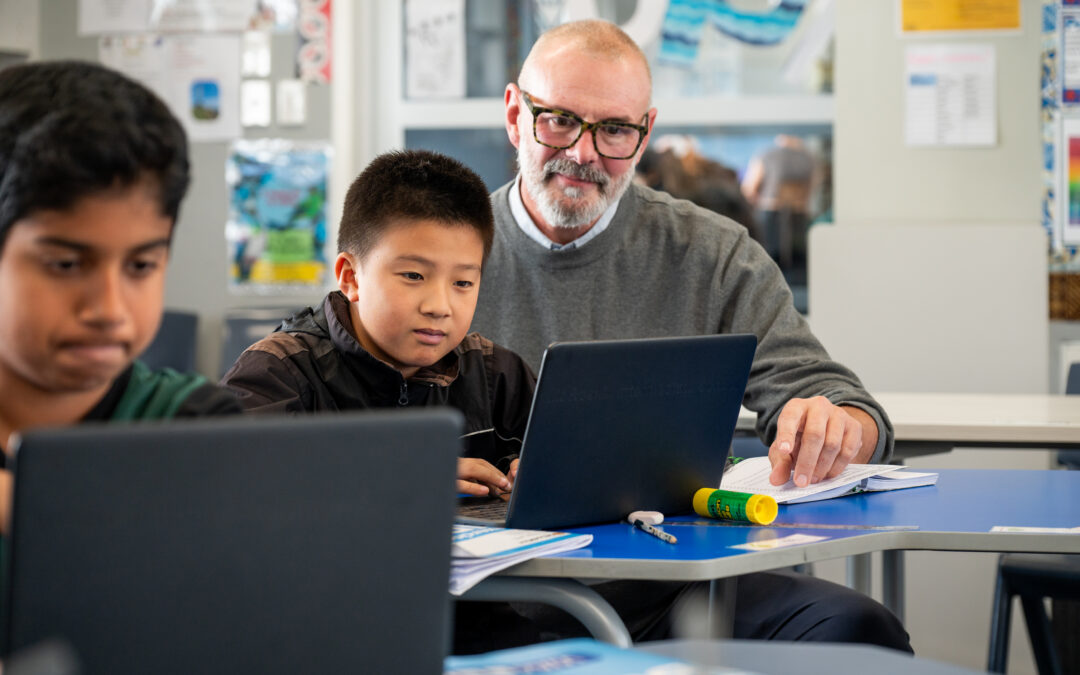
As classrooms across Aotearoa New Zealand become increasingly digital, ensuring ākonga are safer online is a shared responsibility across the entire education sector. Netsafety Week 2026 is on now – from 17–23 August – and offers a timely focus on what can be achieved through collective action.
Netsafety Week’s theme for this year – ‘online safety is a team sport’ – reflects how schools, whānau, students and technology partners all have a role to play in building a safer digital environment for young people. For online safety in particular, it’s about them staying safe from threats like phishing, identity theft, online bullying or exposure to inappropriate content.
For schools, Network for Learning (N4L) can help with products and services that allow schools to strengthen their defences against online threats. We provide a suite of managed services designed to help keep ākonga safer online and school networks more secure. However, technical measures are only one part of digital defence, which also relies on schools educating ākonga on healthy online habits and good digital citizenship, both inside and outside of the classroom.
With a recent heightened focus on kids’ online safety, young people are increasingly stepping up and becoming more passionate about some of the issues they’re at the centre of. Some students are playing a leadership role in helping others more effectively navigate online safety, with the aim of hopefully making the online world a more positive place.
A student perspective on digital safety
Elijah, a Year 12 student from Wellington who is passionate about online safety, views it as an essential daily practice.
“Online safety is hugely important,” Elijah says. “Nearly everyone’s daily life includes some form of digital influence, so for students, practising good digital safety – even with things like sharing best practices with others – is vital.”
Elijah sees Netsafety Week as a chance for schools to reset and discuss their digital safety habits openly.
“Netsafety Week is a great opportunity to remind students, staff and whānau about staying safe online,” he notes. “Having good online safety practices is important for teachers, students, parents – everyone really.”
Practical steps to strengthen a school’s digital safety toolbox
Building robust digital defences doesn’t require an immediate, complex overhaul. Taking small, structured steps can significantly improve a school’s overall digital safety posture over time. The following tips might be able to help.
- Set strong safety policies and foster a culture of digital citizenship: When you have strong policies and guidelines about online safety in your school or kura, it’s easier to make decisions about the tools and settings you’ll use. These policies help guide school boards and leaders on things like web filtering, strong passwords, sharing details online and monitoring ākonga when they’re online. It’s also about ensuring learners and their whānau understand how to navigate the online world safely. Providing easy-to-access resources, having regular conversations about safe online behaviours and encouraging critical thinking all help build a culture of smart digital citizenship.
- Utilise N4L safety tools: Technical safeguards help catch cyber threats before they reach the classroom. Start with utilising our Internet Safety & Security Services, with its recommended baseline settings. Meanwhile, Web Filtering helps block inappropriate websites, apps and internet categories across the school network. SafeSearch helps filter out inappropriate search results for safer browsing, while DNS Threat Protection continually scans the network for risky or malicious websites and addresses, and adds them to its block list.
- Get better visibility and more control over your online environment with MyN4L: MyN4L provides schools with greater oversight of schools’ online environments and facilitates easier engagement with N4L products and services. For example, schools can request to block or allow websites and categories with Web Filtering and get visibility of browsing activity on the school network with Online Activity.
- Review additional safety settings and tools: Schools can review their settings for providers such as Google, Microsoft, YouTube or any third-party filtering solutions to ensure they’re fit for purpose and meet your school’s needs. For example, you can choose to use YouTube Restricted Modes, which automatically block out some videos based on inappropriate content. You can also use Google Classroom permissions to restrict user access to video content – including YouTube.
- Netsafe is a great place for resources: Netsafe’s Kete has a great range of resources, frameworks, guidelines, templates, lesson ideas, advice, support and downloadable tools to promote positive digital citizenship and better online safety.
Working together for ākonga
Maintaining online safety is an ongoing process that requires continuous effort from all parts of the school community – as Netsafety Week champions, ‘online safety is a team sport’ and everyone can play their part. By combining technical protections with regular, open conversations around digital safety, schools can maintain a safer digital environment where learning can thrive.
If your school needs help with online safety, you can contact our Customer Support team by email at [email protected] or by calling 0800 532 764. More information about online safety can also be found at n4l.co.nz/protect